October 13, 2026
The kitchen has increasingly become a place where personal style can be expressed as clearly as functionality. Colorful cabinetry can bring warmth, character, and visual energy into the heart of the home. Instead of treating cabinets as a background element, designers are using color to establish focal points, define zones, and create a more distinctive atmosphere. The rise of expressive kitchen design does not mean sacrificing practicality; it means combining thoughtful color choices with layouts, materials, and finishes that support everyday use.
Exploring the Return of Expressive Color
Color has become an important part of contemporary kitchen design as homeowners seek interiors that feel more personal. Shades of green, blue, deep red, muted yellow, and earthy tones can create a stronger visual identity than an entirely neutral palette. Colorful kitchen cabinetry can establish focal points, define zones, and create contrast with countertops, flooring, walls, and decorative elements.
According to the National Kitchen & Bath Association, 86% of design professionals cite green as the top color driving the return of vibrant tones to modern cabinetry. Green can range from soft sage and olive to deeper forest and emerald shades, giving homeowners considerable flexibility.
Selecting Colors With Lasting Appeal
Choosing a cabinet color involves more than responding to a current trend. The color needs to work with lighting, architecture, materials, and the overall style of the room. A shade that makes a strong first impression should also complement elements that are likely to remain in place for years. Thoughtful planning helps ensure that kitchen cabinetry feels intentional rather than disconnected from its surroundings.
Color intensity can influence a kitchen's atmosphere. Soft shades can provide personality without overwhelming a smaller space, while saturated colors can create a stronger focal point. Darker tones add depth, whereas lighter colors can contribute to an open appearance.
Balancing Bold and Neutral Elements
A colorful kitchen does not require every surface to compete for attention. In many designs, cabinetry provides the primary color statement while countertops, walls, flooring, and backsplashes use quieter finishes to create balance. Neutral materials can give a distinctive cabinet color room to stand out without making the space feel crowded. They can also provide a flexible foundation for decorative accents.
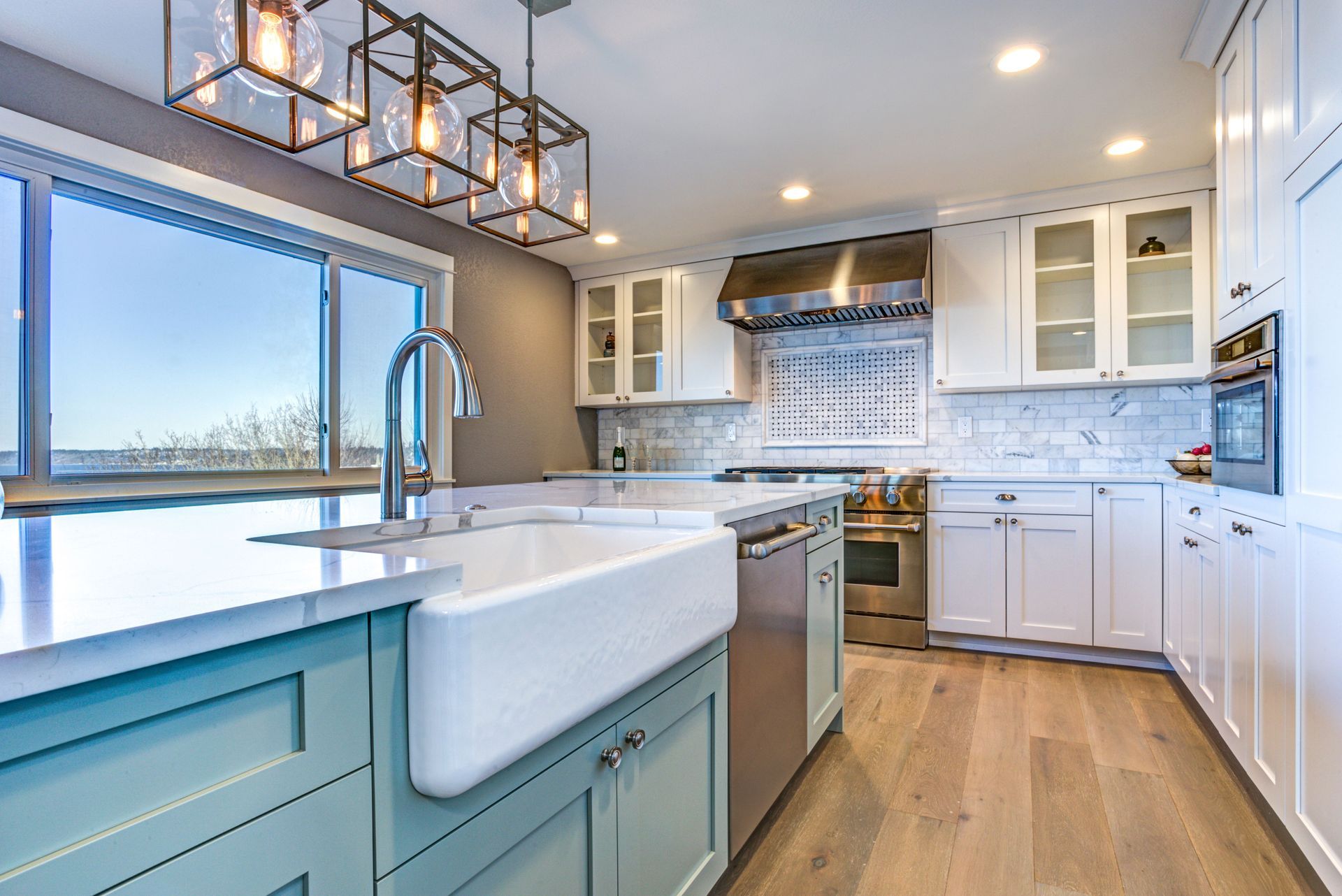
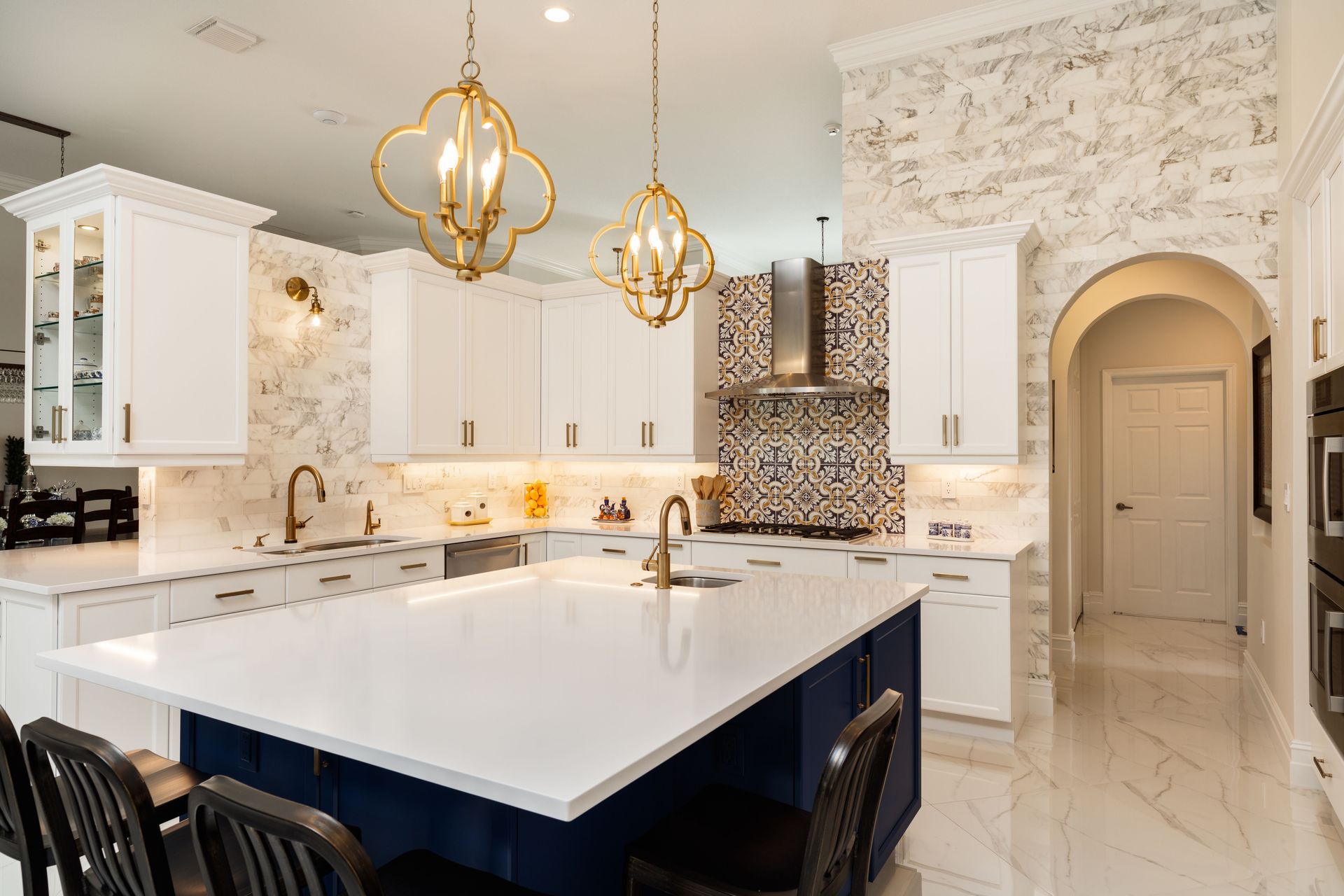
Another approach involves combining two cabinet colors within one kitchen. A contrasting island can introduce a second shade while perimeter cabinets create a more restrained backdrop. This composition can visually separate work and gathering areas while adding dimension to the design. Carefully coordinated two-tone kitchen cabinetry can create a polished look without excessive ornamentation.
Pairing Color With Natural Materials
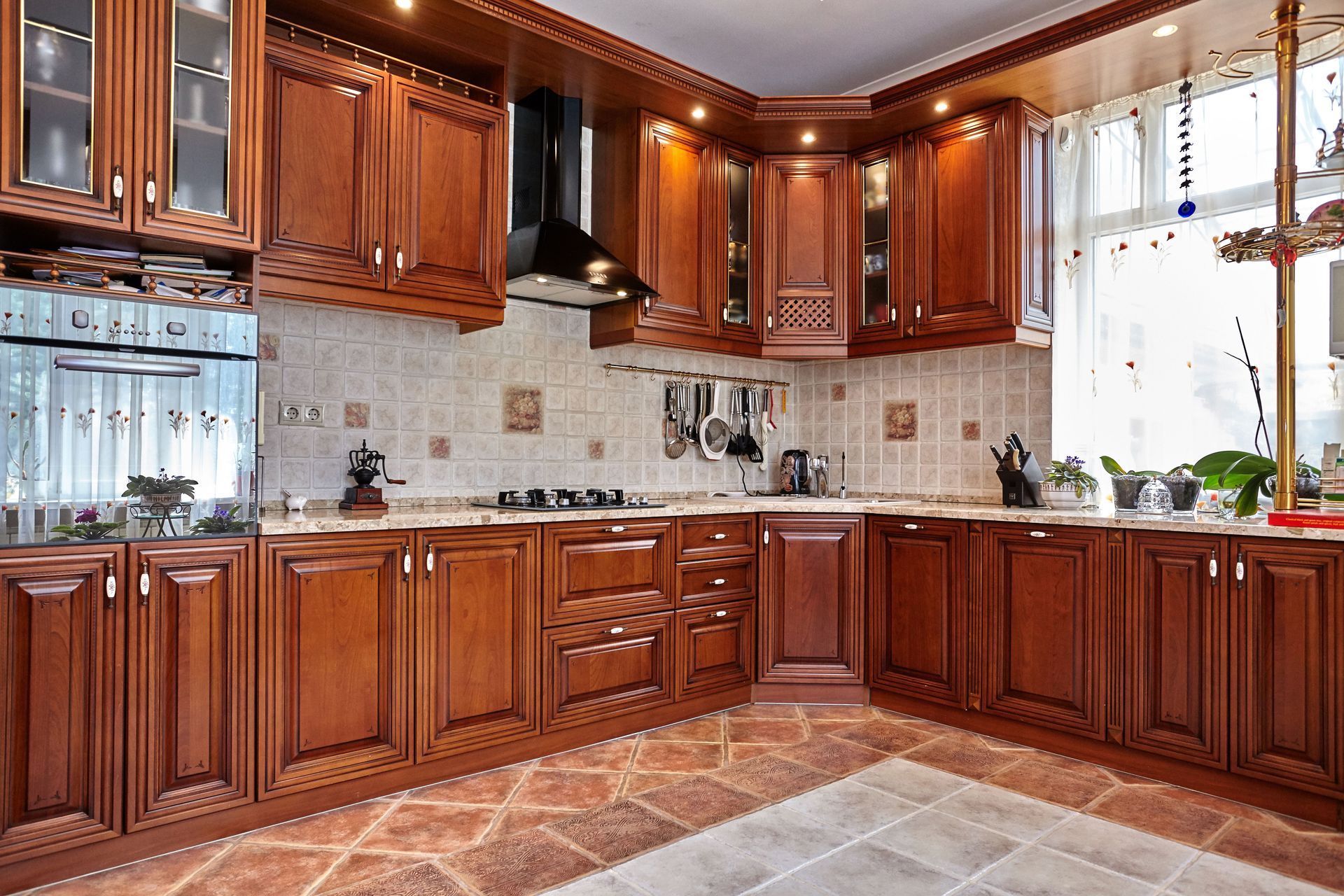
Natural materials can work well alongside colorful cabinets because they introduce texture and warmth. Wood flooring, natural stone, and wood accents can soften stronger cabinet colors while reinforcing an organic direction. The interaction between painted surfaces and natural textures can make the kitchen feel more dimensional.
Hardware provides another opportunity to connect cabinet color with surrounding materials. Brass, matte black, brushed metal, and other finishes can create different effects depending on the cabinet shade and overall style. Selecting these details as part of the larger composition helps kitchen cabinetry feel integrated rather than isolated.
Creating Distinctive Kitchen Focal Points
Cabinet color can guide attention toward specific areas of a kitchen. An island in a contrasting shade can become a central visual feature, while a colorful pantry wall or beverage station can establish a smaller focal point. This strategy allows homeowners to introduce personality without applying a bold color throughout the room. Strategic placement can make color feel purposeful.
Focal points can also be developed through finish or tone. A painted surface may appear different under natural and artificial lighting, while open shelving can create visual breathing room between enclosed storage areas. These details create interest without unnecessary complexity.
Coordinating Color With Kitchen Architecture
The architecture of a kitchen should influence how cabinet color is introduced. Ceiling height, windows, room dimensions, architectural openings, and adjacent spaces all affect how colors are perceived. A strong color that works in a large, naturally lit kitchen may have a different effect in a compact room with limited daylight. Considering the entire space helps determine where color can have the greatest impact.
Open-concept homes require additional attention because kitchen colors are often visible from nearby dining and living areas. The cabinet palette should complement surrounding finishes rather than appearing disconnected. Repeating related colors or materials nearby can create continuity without making every room identical.
Using Color to Express Personal Style
Colorful cabinetry can reflect individual preferences and give a kitchen a stronger sense of identity. A homeowner drawn to natural interiors may prefer sage or olive, while someone seeking a dramatic environment may choose navy, deep green, or another saturated shade. Color can make a kitchen feel calm, energetic, sophisticated, welcoming, or playful. This makes cabinets an important design decision rather than simply a storage consideration.
Personal style can also evolve through combinations of color and finish. A bold color paired with simple door profiles can feel contemporary, while the same shade on a more traditional profile can create a different character. Professional guidance can help translate preferences into a cohesive plan.
Considering Color Across Cabinet Styles
Color interacts differently with various cabinet door profiles and construction details. Simple slab doors can emphasize color across a broad surface, while recessed or raised panels introduce shadows and architectural definition. Glass-front doors can break up a solid color by revealing selected contents, while open shelving can provide visual breathing room. These distinctions matter when developing a colorful cabinet composition.
Finish selection also influences the final appearance. Matte finishes can create a softer effect, while smoother surfaces may make color appear more pronounced under kitchen lighting. Wood grain, painted surfaces, and mixed materials each contribute different levels of texture. Combining these characteristics can help the cabinets support the desired aesthetic.
Integrating Color Into Functional Spaces
Color can contribute to the organization of a kitchen as well as its appearance. Different cabinet colors can help distinguish a main work zone from a pantry, coffee area, prep station, or secondary storage section. This approach can make larger kitchens easier to read while creating subtle boundaries between areas with different purposes.
Kitchen cabinetry can therefore support both visual organization and practical planning.
Functional considerations should remain central when selecting cabinet finishes and configurations. Storage needs, traffic patterns, appliance placement, countertop areas, and accessibility all influence how cabinetry should be arranged. A successful design balances expressive color with the practical requirements of the people using the space every day. When these factors are addressed together, the finished kitchen can feel distinctive without becoming difficult to use.
Planning a More Colorful Kitchen
The interest in colorful cabinetry reflects a broader shift toward kitchens that feel personalized, layered, and connected to the rest of the home. Homeowners can explore colors that complement architectural features, natural materials, lighting, and individual preferences rather than relying exclusively on neutral palettes. The right shade can establish a focal point, add warmth, and give a familiar space a stronger sense of identity. Careful coordination remains important because color works most effectively when considered alongside the entire kitchen.
Professional planning can bring these ideas together while accounting for practical and visual demands. NECS Kitchen can help homeowners evaluate cabinet colors, finishes, layouts, and complementary materials as they develop a cohesive design. Our team can help turn an initial color concept into a coordinated space that reflects your style and supports everyday living. Contact NECS Kitchen to discuss your kitchen design goals and explore the possibilities of colorful cabinetry.